After the Last Drop: Retiring Unwanted CBD Safely in a UK Household
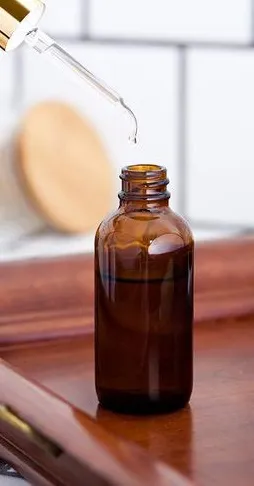
Photo: Ohiamjk, CC BY-SA 4.0, via Wikimedia Commons
Most households accumulate half-finished products. A bottle of CBD oil bought during a stressful month, a balm that did not suit the skin, capsules left behind after a routine changed. As of November 2026, the UK CBD shelf is broad and the packaging is often persuasive, but the question of what to do when a product is no longer wanted receives far less attention. Disposal is not the most glamorous part of responsible use, yet it is part of it. The aim is simple: keep people and pets safe in the interim, avoid unnecessary environmental burden, and use a legitimate route rather than an improvised one.
Begin with a label audit, not a sniff test
Before deciding anything, gather the products and read the labels in decent light. Note the product type, CBD strength, batch number, best-before date and any period-after-opening symbol. Oils and balms often carry a best-before date rather than a hard expiry, but an old product should not be kept simply because the bottle still looks full. Oxidation, repeated opening and warm storage can affect quality, and an unlabelled or faded container tells you very little. Do not rely on smell or taste to judge whether a product is still suitable. If the label is missing, treat the contents as unknown.
A useful first distinction is between a consumer CBD product and a prescribed cannabis-based medicine. Consumer oils, balms, capsules and similar items sold on the UK high street are generally treated as food supplements or cosmetics, not medicines. A prescribed cannabis-based medicinal product is different. If the product came from a pharmacy on prescription, its return route should follow medicine disposal advice, not the household bin.
Make the interim safe before you solve the final step
Disposal may not happen the same day. Until it does, keep the product in its original container with the lid firmly closed and the label intact. Store it high up and out of reach, ideally in a locked cupboard if there are young children or pets in the home. Child-resistant caps are not childproof, and a determined toddler or a chewing dog does not read warnings. Pets deserve particular thought: dogs are especially sensitive to some ingredients, and a dropped bottle or a spilled drop on the floor is an avoidable exposure. Clean small spills with paper towel rather than a wet mop that spreads liquid across a wider area, then bag the paper and wash hands.
Do not decant leftovers into unlabelled bottles, food containers or drinks bottles. That is how accidental ingestion happens. Keep products away from food, pet bowls and pet treats. If a child or pet has swallowed a CBD product and you are concerned, do not wait for a website to solve it. Contact NHS 111 or a poisons service for a child, and a veterinary practice for a pet.
Why flushing is a poor default
It is tempting to tip an unwanted oil down the sink or flush it away. It is rarely the best answer. Plumbing and wastewater systems are not designed for oils and concentrated products, and small household quantities add up across a country. Septic systems and older pipework can also complain. Pouring a liquid into a drain does not make it disappear; it moves the problem. Nor should CBD oils go into food waste or home composting. Recycling is only appropriate for the packaging if the local authority accepts that material and the container is empty enough to be handled safely.
For a small residual amount that cannot be returned anywhere, an absorbent material such as cat litter or kitchen roll can be used to take up the liquid. Seal it in a bag and place it in household waste only if your council permits that route for small chemical residues. This is a last step for residues, not a licence to bin a full bottle. Large volumes, unusual products or anything unlabelled deserve a phone call or a council website check first.
Pharmacy take-back: useful, but not a universal bin
UK pharmacies commonly accept unwanted medicines for safe disposal. That route is valuable for prescribed products, including prescribed cannabis-based medicines, and for ordinary medicines that are no longer needed. It is not a general-purpose CBD recycling scheme. A pharmacist is unlikely to accept a half-used bottle of over-the-counter CBD oil simply because it is sold in a pharmacy, and you should not place it in a medicines bin without asking. The distinction matters: pharmacy take-back schemes are set up for medicines, not for every consumer product that resembles one.
A pharmacist can still be a sensible first call when the label is unclear, when the product was prescribed, or when you are unsure whether a local route exists. Ask before you travel. A brief question at the counter is better than leaving a bottle in the wrong bin or pouring it away in frustration.
Council routes and household waste centres
Local authority rules vary across the UK, so the council website is the practical source. Many household waste recycling centres accept small quantities of household chemicals and liquids, sometimes under a hazardous household waste or medicines category. Some have limits, opening hours and appointment systems. Bring the product in its original packaging where possible, do not decant it, and follow staff instructions on site. If the council does not accept liquids, ask what it recommends for small domestic quantities rather than inventing a route.
Other product types need their own thought. CBD balms and capsules are usually household waste unless the council says otherwise, while packaging should be recycled only if the material is accepted locally. For CBD vape liquids or cartridges, separate the battery and take it to a small electricals or battery collection point; the liquid itself should follow council advice. Never put batteries in general waste.
When to ask rather than improvise
Ask a pharmacist or your council if the product was prescribed, if the quantity is larger than a normal household leftover, if the container is unlabelled, or if someone has been exposed to it. Ask your GP or the prescriber if you are stopping a prescribed product and want the change recorded. Do not give opened CBD products to friends, food banks or charity shops. Do not sell them on. A sealed, in-date product may be passed on only in line with the original seller's terms; an opened bottle should not be reused by someone else.
A simple retirement checklist helps: gather the products, check the labels, separate anything prescribed, secure the rest, choose a route, clean any spills, and note the stop date if you have been tracking symptoms. None of this needs to be dramatic. The point is to treat the end of a product's life with the same care as the beginning. If in doubt, ask. A calm question to a pharmacist or council is almost always better than a hopeful pour down the sink.