What the Dropper Leaves Behind: CBD, Oral Comfort and Dental Appointments in the UK
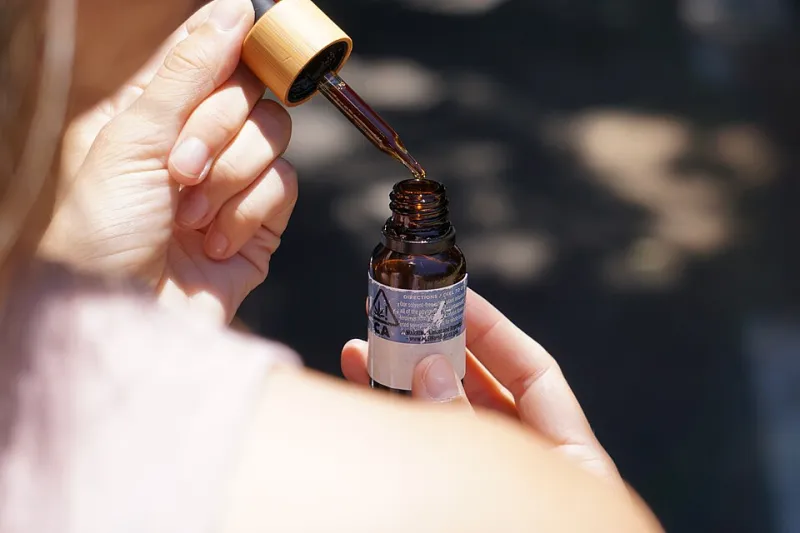
Photo: elsaolofsson, CC BY 2.0, via Wikimedia Commons
For many UK shoppers, the decision to try a CBD product begins with a practical question: will it fit into an ordinary routine? The answer depends not only on strength, carrier oil or cost, but also on the small, easily overlooked details of how a product is taken. Drops, sprays and gummies all pass through the mouth, and that makes oral comfort a reasonable part of the buying decision. It is not a reason to panic, nor a reason to accept vague claims about dental benefits. It is simply a subject worth approaching with the same calm scrutiny applied to the rest of the label.
Oral comfort is part of the buying decision
CBD products are not risk-free, and they are not a substitute for ordinary oral care. A balanced routine still rests on fluoride toothpaste, regular cleaning between teeth, sensible sugar intake and dental check-ups. CBD should not be positioned as a replacement for any of these. The more useful question is whether a particular product, in a particular format, makes dry mouth more noticeable or adds ingredients that a dentist would want to know about.
This matters because dry mouth is not merely an inconvenience. Persistently low saliva flow can make the mouth feel uncomfortable and, over time, may contribute to dental problems. That does not mean CBD automatically causes those problems. It means that anyone who notices a dry mouth while using CBD should treat it as a prompt for observation and, where necessary, professional advice rather than as a marketing problem to be solved with another purchase.
Dry mouth: reported, plausible, but not well established
Some CBD users report a dry mouth sensation. The evidence base is uneven. Much of the discussion around cannabinoids and saliva comes from broader cannabis research, where effects may involve THC, route of administration, dose and individual factors. For CBD specifically, robust UK clinical evidence is limited. It would be inaccurate to say that dry mouth is an inevitable side effect, and equally inaccurate to dismiss every report as imagination.
A sensible middle position is to treat dry mouth as a commonly mentioned experience that deserves attention but not a firm causal claim. Product format may matter. Some tinctures contain alcohol, which can feel drying. Sprays may contain flavourings or sweeteners. Gummies may encourage more frequent sipping and snacking if used casually. Other everyday factors, including prescribed medicines, caffeine, alcohol, mouth breathing, stress and health conditions, can also affect saliva. If dryness persists, the dentist or GP may need to consider the whole picture rather than CBD alone.
Reading the label with teeth in mind
CBD content is usually the first number shoppers check, but it is not the only one that matters for oral comfort. Sugars and syrups are worth spotting in gummies, pastilles and some liquid formulations. Ingredients such as glucose syrup, sucrose, invert sugar, honey and molasses can contribute to the kind of frequent sugar exposure that dental professionals advise limiting. Sticky formats can also linger on teeth, particularly if used repeatedly through the day.
Sugar-free does not automatically mean tooth-neutral. Many products use sweeteners, and some include acids such as citric acid or malic acid for flavour. Frequent acidic exposure is relevant to enamel erosion, even when sugar is absent. Sugar alcohols such as xylitol, sorbitol and maltitol are not the same as sugar, and xylitol has a recognised place in some dental products, but the amount in a CBD sweet is unlikely to be a reliable oral-care strategy. Large amounts of sugar alcohols can also cause digestive discomfort in some people.
Alcohol is another label item to note. An ethanol-based tincture may feel drying for some users, while oil-based drops may feel different. Flavourings, whether described as natural or not, do not guarantee oral comfort. The practical point is not to search for a perfect product, but to choose the simplest formulation that suits you and to use it with awareness rather than constant topping up.
A practical UK label check before you buy
A calm label check can be done in a few minutes. Look first at the ingredients list, not only the front-of-pack claims. Check for sugars and syrups in edible formats, acids in flavoured liquids and sweets, and alcohol in tinctures. Note the serving size and how often the product is intended to be used. A product taken once may sit differently in the mouth from one used repeatedly across a working day.
Check whether the product appears on the Food Standards Agency's novel food list for CBD, and whether the label gives clear batch information, a best-before date, directions and an age warning. In the UK, CBD products are not authorised medicines, and medicinal claims should be treated cautiously. A label that promises to treat gum disease, cure toothache or replace mouthwash is making a claim that goes well beyond the available evidence. Keep the label or photograph it if you plan to raise the subject at a dental appointment.
What marketing may imply, and what evidence supports
Some products suggest oral health benefits, fresh breath or antibacterial action. Laboratory studies can sound impressive, but they do not establish that a CBD product improves dental outcomes in real-world use. There is no robust UK clinical evidence that CBD prevents tooth decay, treats gum disease or replaces fluoride toothpaste. A claim can be legally careful and still be commercially suggestive; the shopper's task is to separate a pleasant flavour from a health promise.
This is not a reason to avoid CBD altogether. It is a reason to keep expectations modest. If a product's main appeal is an oral-health claim, it may be worth asking what evidence sits behind that claim and whether the same money would be better spent on proven preventive care.
Talking to a dentist or hygienist without overclaiming
A dental appointment is a good place to mention CBD if it is part of your routine or if you have noticed dryness, changes in taste or discomfort. Keep the account factual: what you use, how much, how often and in what format. Bring the label if possible. You do not need to present CBD as a treatment or defend it as a lifestyle choice. The dental professional can then consider your oral health alongside medicines, health conditions and other factors.
Be equally clear about what you are not asking. A dentist is not there to endorse a product, and a hygienist cannot assess a CBD brand's marketing. They can advise on saliva, fluoride, cleaning and when to seek further medical advice. If you take prescribed medicines, a pharmacist or GP can help with interaction questions. Do not stop prescribed treatment in order to trial a CBD product.
A measured position
The sensible approach is unglamorous. Keep ordinary oral care consistent, choose products with labels you can read, watch for persistent dryness and raise it early if it concerns you. Do not increase CBD in the hope of dental benefits, and do not let a fresh-flavour claim stand in for evidence. For UK shoppers in 2026, the most useful oral-health step around CBD is not a miracle product but a clearer conversation and a more careful label check.