After the Last Set: A Calm UK Guide to CBD, Soreness and Recovery Routines
The gym bag as a small consumer audit
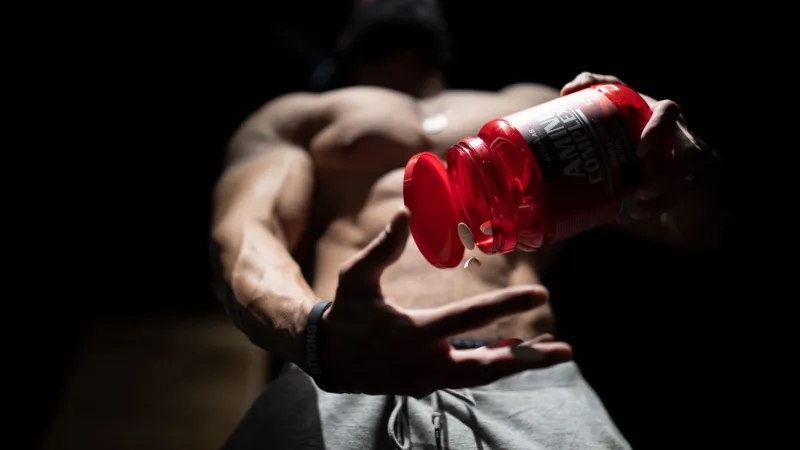
A gym bag often contains more than a towel, a lock and a shaker. It may hold a caffeine gel, a protein bar, a magnesium supplement, a topical balm and, increasingly, a bottle of CBD oil. For UK gym-goers curious about CBD for post-exercise soreness or wind-down routines, the sensible starting point is not a recovery claim. It is an audit: what is in the bag, what is the product legally and practically, and what can its label realistically tell you?
CBD is not a medicine authorised for exercise recovery in the UK. It is available in various consumer formats, and the evidence for many popular uses remains limited and mixed. That does not make the question unreasonable. It does mean the useful conversation is about product quality, medicine and supplement checks, and self-observation rather than promises of faster repair.
Topical and oral products are not interchangeable
A CBD balm, gel or massage product applied to skin is generally regulated as a cosmetic unless it makes medicinal claims. A cosmetic can moisturise or fragrance; it cannot lawfully claim to treat pain or inflammation. Some people find the ritual of applying a balm after training pleasant, and the massage element may be soothing, but a cooling or warming sensation is not proof that tissue recovery has been altered.
Oral CBD products, such as oils and capsules sold as food supplements, sit in a different regulatory space. In the UK, CBD extracts used in food supplements are subject to the novel food process, and the Food Standards Agency (FSA) publishes a list of products that can remain on sale while applications are considered. Being on that list is not an endorsement of efficacy. It is a regulatory checkpoint.
When comparing formats, ask what you actually want from the product. A topical product is not a substitute for an oral dose, and an oral oil is not a targeted balm. Mixing the two without recording what you used makes any personal observation far less useful.
What the label can and cannot prove
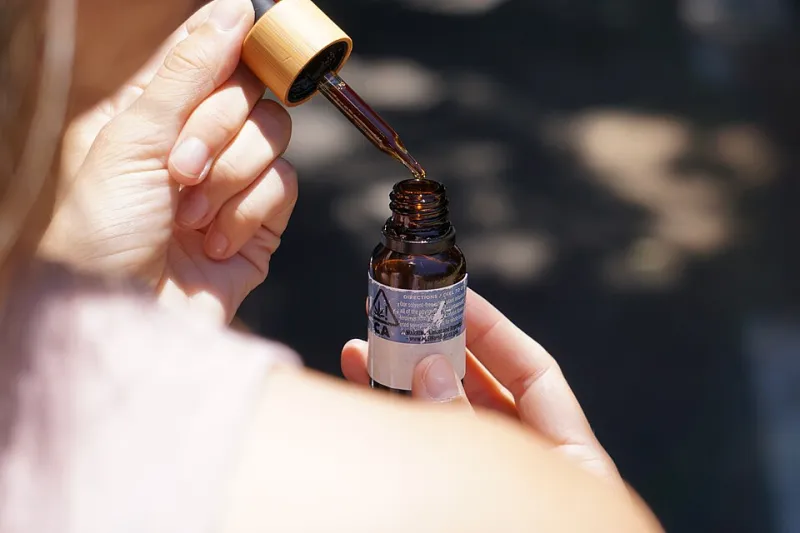
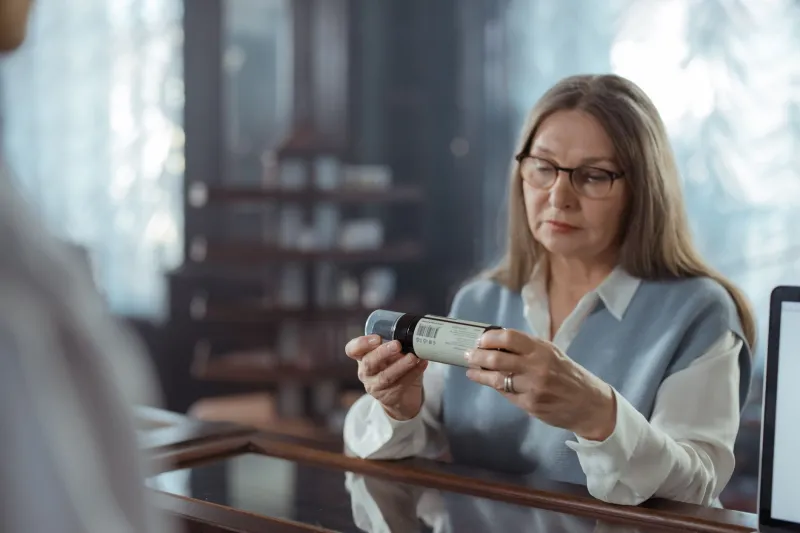
CBD labels are notoriously easy to misread. A bottle may state “1,000mg CBD” without making clear whether that is total content, content per bottle, or content per serving. Look for the amount per drop or per millilitre, the serving suggestion, the batch or lot number, the expiry date and the manufacturer or distributor. A batch number is a traceability tool; it can help a company investigate a complaint or link a product to a certificate of analysis. It does not, by itself, demonstrate that the product will help soreness.
A certificate of analysis (COA) can be useful if it is recent, specific to the batch in your hand, and produced by a credible laboratory. It may report cannabinoid content and contaminants such as heavy metals, pesticides or solvents. Yet a COA is a snapshot of a batch, not a clinical trial. It tells you something about composition and quality control; it does not tell you what effect the product will have on your recovery.
For UK shoppers, checking the FSA novel foods list is a reasonable first filter for oral CBD supplements. For topical products, check that the label does not make medicinal claims that would push it into a different regulatory category. If a product promises to “repair muscle” or “reduce inflammation,” treat that as a reason for caution rather than reassurance.
The medicine and supplement checks worth making
Before adding CBD to a gym routine, review what is already in the bag. Pre-workouts often contain caffeine and other stimulants; protein powders may include added vitamins or herbal extracts; some recovery supplements contain ingredients that can interact with medicines. CBD can interact with certain prescription medicines, including some epilepsy medicines, blood thinners and sedatives. This is not a reason to panic, but it is a reason to speak to a GP or pharmacist before combining CBD with regular medication.
If you compete under anti-doping rules, check the current status of any product with the relevant body and do not rely on a retailer’s assurance. UK Anti-Doping and WADA publish guidance, and ingredient lists can change. A product that was acceptable last season may not be acceptable now.
Even without prescription medicines, stacking supplements is worth a quiet review. If you already take a sedative-type sleep aid, adding an oral CBD product in the evening may make it harder to know which product is doing what. If you use a caffeine-heavy pre-workout, taking CBD later does not automatically cancel the stimulation. Keep the picture simple enough to interpret.
A self-observation framework, not a recovery promise
If you decide to try a CBD product, treat it as a personal observation exercise rather than a treatment plan. Start by writing down a baseline for one week: soreness on a simple 0–10 scale, sleep quality, morning stiffness, and whether you can complete normal training and daily tasks. Note any current injury or pain that is worsening; CBD is not a reason to train through it.
Choose one product and one format. Record the batch number, the stated CBD content per serving, the time you use it and the amount. Keep other variables as stable as you reasonably can for two to three weeks. Avoid changing your training load, sleep schedule and supplement stack at the same time, or you will not know what any change means.
Use plain notes rather than scores alone. “Felt calmer after showering” and “soreness similar to last week” are more informative than a vague memory. If you notice dizziness, drowsiness, digestive upset or any other unwanted effect, stop and seek advice from a pharmacist or GP. Do not increase the amount simply because the first week felt uneventful.
A calmer conclusion for the gym bag
The most defensible position for UK gym-goers in 2026 is modest: CBD may be a product some people choose to try, but it is not a proven recovery treatment. Audit the label, check the batch, review your medicines and supplements, and observe your own response without turning a fortnight of notes into a guarantee. A calm routine, adequate sleep, sensible loading and professional advice for persistent pain remain the less glamorous foundations. CBD can be considered alongside them, not instead of them.