Reading Between the Promises: A UK Buyer’s Checklist for CBD Marketing Claims

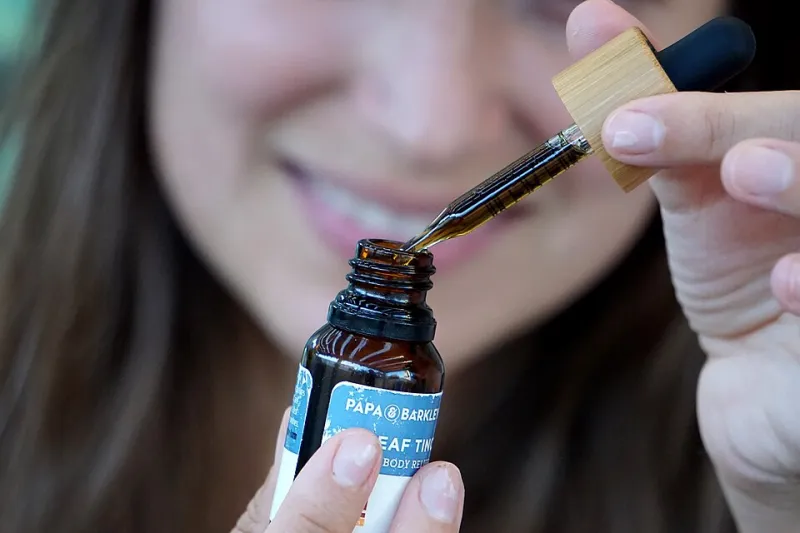
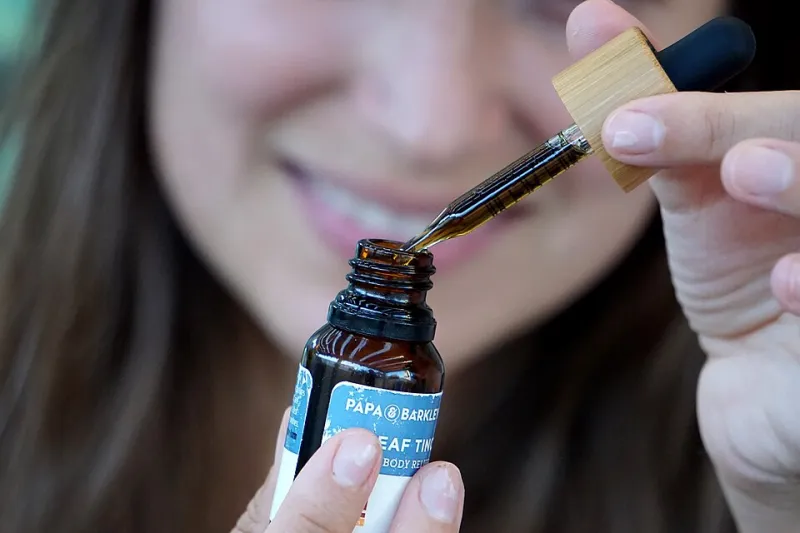
Photo: John Robert McPherson, CC0, via Wikimedia Commons
CBD marketing has a language of its own. Oils are described as life-changing, sleep is promised, anxiety is said to melt away, and the word miracle appears more often than it should. For a shopper trying to make a sensible decision, the effect can be tiring rather than reassuring. This is an opinion piece, but it is grounded in the UK rules that govern advertising and in a simple principle: a claim should be proportionate, substantiated and clear about what it can and cannot do.
What UK advertising rules expect
In the UK, advertising is governed by the Committee for Advertising Practice code and enforced by the Advertising Standards Authority. Claims must be truthful, not misleading and capable of substantiation. Health claims receive particular scrutiny. If a product is presented as a medicine that treats, prevents or cures a disease, it may fall under medicines regulation and require authorisation from the Medicines and Healthcare products Regulatory Agency.
CBD products are not authorised medicines. They may be sold as food supplements or similar products, subject to novel food rules. The Food Standards Agency maintains a list of CBD products with novel food applications, and local authority trading standards officers enforce consumer protection law. General consumer law also prohibits unfair commercial practices. In plain English: a seller should not promise a cure, should not invent clinical proof, and should not use vague authority to make a product sound medical when it is not.
Common red flags
The first red flag is a disease claim. Words such as cures, treats, reverses or heals are serious. They suggest a medical benefit that CBD products are not authorised to provide. The second is a guarantee. Sleep is not guaranteed by a dropper. Anxiety is not switched off on a schedule. Claims of 100% success or a guaranteed result are a sign to slow down.
The third is borrowed authority. Phrases such as doctor-formulated, clinically proven or laboratory-backed can sound impressive, but they mean little without specifics. Which doctor? Which clinical trial? Which laboratory? A fourth red flag is urgency. Countdown timers, limited batches and pressure to buy before midnight are sales tactics, not evidence.
Other warning signs include before-and-after stories that read like adverts, reviews that cannot be verified, missing batch numbers, and lab reports that do not match the product in front of you. A seller who hides the price per milligram or refuses to explain the serving size is making comparison harder for a reason.
A practical checklist for judging claims
When you see a CBD advert, ask a few calm questions. Is the claim about a disease or a symptom? If it is a disease claim, treat it with scepticism. Is the evidence named and checkable? A real study has an author, a date and a method. Is the authority specific? A named pharmacist or laboratory is more useful than a vague badge. Does the batch lab report match the batch number on the product? Is the product on the FSA list? Are the reviews independent and verifiable? Is the seller using pressure or scarcity? Does the page mention side effects and interactions, or only benefits?
A good seller does not need to promise miracles. They can explain what the product is, how it is tested, what the label means and what the law allows them to say. That restraint is often a better quality signal than a dramatic headline.
Keeping expectations realistic
The evidence around CBD is still developing. Some studies explore its use in areas such as anxiety, sleep and pain, but the picture is not settled and products vary enormously. CBD is not a cure for anxiety, insomnia or any other condition. Individual responses differ, and some people experience side effects such as dry mouth, fatigue or digestive changes. CBD can interact with some medicines, and people with liver conditions or those who are pregnant or breastfeeding should seek professional advice before using it.
If you are struggling with your mental health or sleep, a GP or pharmacist is a better first conversation than a website promising a miracle. CBD may be part of a personal routine for some people, but it should not replace medical care or delay a proper assessment.
When to walk away
Walk away from claims that cure, guarantees of perfect sleep, invented clinical proof and pressure to buy immediately. Walk away from sellers who cannot produce a batch-specific lab report or explain the difference between percentage, total milligrams and milligrams per drop. The UK market has responsible sellers, but the shopper still needs a filter. A calm, evidence-aware approach is not cynicism. It is simply good consumer practice.