Before You Upend the Dropper: A Practical Guide to CBD Carrier Oils in the UK

Photo: elsaolofsson, CC BY 2.0, via Wikimedia Commons
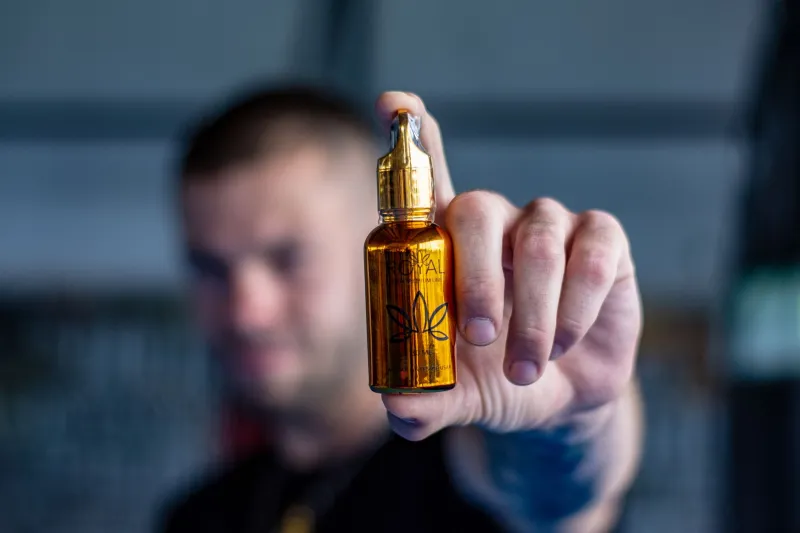
When a CBD oil arrives, attention tends to fall on the number on the front of the bottle: 500 mg, 1000 mg, 10%. The liquid underneath the dropper is quieter. It is usually a carrier oil, and in many products it makes up most of the volume. That matters for taste, mouthfeel, shelf life and the way a product fits into a daily routine. It does not, however, justify sweeping claims about absorption. The evidence on how different carrier oils change CBD uptake in people is limited, and UK shoppers are better served by reading the ingredients line carefully than by treating any base as a guarantee of effectiveness.
Why the carrier is more than a filler
A CBD oil is typically an extract dissolved or suspended in a plant oil. The carrier gives the dropper something to measure, dilutes a concentrated extract to a workable strength and influences how the product feels in the mouth. It can also affect how easily the oil pours, how it behaves in cool weather and how long it stays pleasant after opening.
For a shopper, the practical question is not which carrier is universally best. It is which carrier suits the product, the routine and the person using it. A neutral base may help someone who dislikes the taste of hemp. A thicker, more characterful oil may appeal to someone who prefers a traditional texture. Neither choice should be presented as a clinical advantage without evidence.
MCT: the neutral, thin base
MCT stands for medium-chain triglycerides. In CBD products, the term usually refers to fractionated coconut oil, though palm-derived MCT is also used. It is popular because it is light, pourable and comparatively neutral in taste. For people who find hemp extracts earthy or bitter, an MCT base can make the daily routine easier to sustain.
There are caveats. Some people with coconut allergies may need to check the source and refining process carefully. MCT is not a single substance, and different grades can behave slightly differently. It is also often marketed as improving absorption, but human evidence comparing CBD in MCT with CBD in other carrier oils is not robust enough to treat that as settled. A label may say MCT, but that alone does not tell you how much CBD reaches the bloodstream or how long it stays there.
Hemp seed oil: familiar, but not the same as CBD
Hemp seed oil is pressed from hemp seeds. It has a nutty, green character and a thicker mouthfeel than MCT. It is also a familiar sight in UK health shops, which can make it easy to assume that a hemp oil product is a CBD product. It is not necessarily so. Hemp seed oil contains little or no CBD, and a bottle described only as hemp oil may contain no meaningful cannabinoids at all.
When hemp seed oil is used as a carrier, the ingredients line should still make the CBD extract explicit. Hemp seed oil is rich in polyunsaturated fats, which makes it prone to oxidation. That does not make it a bad choice, but it does place more emphasis on sensible storage: a cool, dark place, a tightly closed cap and attention to the expiry date. If the oil smells sharply rancid, that is a reason to stop using it.
Olive oil: traditional and peppery
Extra virgin olive oil gives a CBD product a stronger flavour and a heavier texture. Some people find it pleasant; others find it competes with the extract. It can also thicken in the fridge, which matters if you store products in cool conditions. Olive oil is relatively stable, but it still oxidises over time and should be treated as a fresh food oil rather than an indefinite shelf item.
As with MCT, there is no sound basis for saying that olive oil guarantees better absorption. The carrier may influence the formulation, but the evidence is not strong enough for a shopper to treat any base as a reliable delivery promise.
Reading the ingredients line
The ingredients list is the most useful part of the label after the CBD content. In the UK, food supplement labels list ingredients in descending order by weight, so the carrier is often near the top. Look for the common and botanical name of the carrier, and check whether the product uses hemp seed oil as a base rather than a CBD-rich extract.
A practical checklist:
- Identify the carrier oil by name, not just by the words hemp oil.
- Check the CBD content per ml or per drop, as well as the total amount in the bottle.
- Look for allergens, especially where MCT is coconut-derived.
- Check the expiry date and any storage instructions.
- Note whether the product is on the FSA novel food list, if it is sold as a food supplement.
- Be sceptical of absorption claims that are not supported by clear, product-specific evidence.
In the UK, CBD extracts used in food supplements are subject to novel food requirements, and the Food Standards Agency maintains a list of products that can remain on the market pending determination. That process is about compliance, not a judgment that one carrier oil is clinically superior. It sits alongside, rather than replaces, careful label reading.
Matching the base to your routine
If taste is the main barrier, a neutral MCT base may be easier to use consistently. If you prefer a fuller texture and do not mind a stronger flavour, hemp seed or olive oil may feel more natural. If you travel or keep products in a cool room, consider how the oil pours and whether it thickens. If you are sensitive to coconut, check the source of any MCT.
It also helps to change one thing at a time. A new carrier, a new strength and a new timing all at once make it difficult to know what suits you. Keep a simple note of the product, the amount used and anything you notice. That is more useful than chasing a marketing story about the base.
What remains uncertain
Absorption depends on the formulation, the amount taken, food in the stomach and individual physiology. Research continues, but the evidence is not strong enough to rank carrier oils confidently for everyday CBD products. The sensible position for UK shoppers is to treat the carrier as a practical ingredient: it shapes taste, texture and storage, and it deserves a place on your checklist. It is not a shortcut to certainty.