Midlife, Not Marketing: A Grounded Look at CBD for Menopause Symptoms in the UK
The menopause transition is not a single event, and it is rarely a tidy list of symptoms. For many UK shoppers in midlife, it arrives as disrupted sleep, unpredictable temperature changes, low mood or anxiety, aching joints and a sense of not quite feeling like oneself. In that context, it is understandable that CBD has found its way into conversations about self-care. It is also understandable that the marketing around it has run well ahead of the evidence.
This guide takes a deliberately measured view. CBD may be worth discussing as part of a broader approach to wellbeing, but it is not a licensed treatment for menopause symptoms, and it should not displace proven care. The aim here is to help UK readers separate a reasonable trial from an overconfident sales pitch.
Why CBD Appears in Menopause Conversations
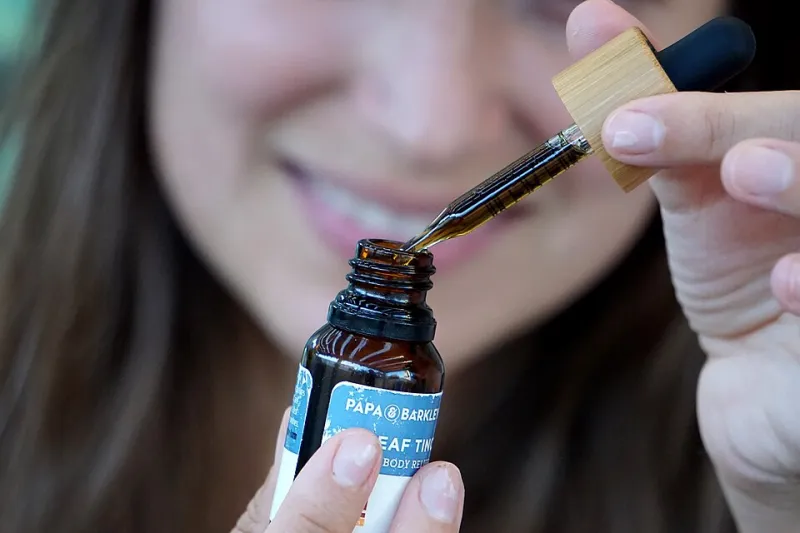
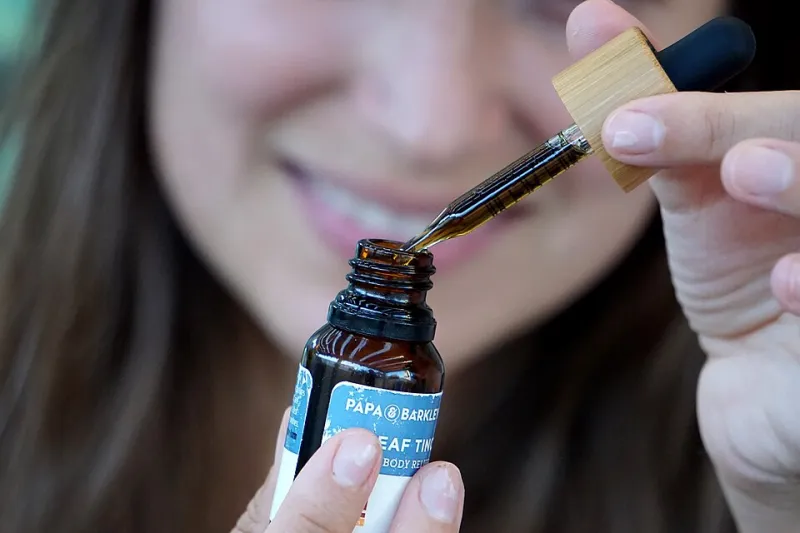
CBD, or cannabidiol, is one of many compounds found in the cannabis plant. Unlike THC, it is not primarily associated with intoxication, and in the UK it is sold as a food supplement rather than a medicine. Products are widely available as oils, capsules, balms and other formats.
Part of the interest around menopause comes from the endocannabinoid system, a network of receptors and signalling molecules involved in sleep, stress response, appetite and pain perception. Because CBD interacts with this system in complex ways, it is sometimes presented as though it can regulate everything from body temperature to mood. That is a considerable leap. The endocannabinoid system is real and important, but the idea that a shop-bought CBD oil can reliably correct midlife hormonal disruption is not established.
A more sober explanation is simpler: some people report that CBD helps them feel calmer or sleep better, and early research has looked at anxiety and sleep in other contexts. Menopause-specific evidence, however, remains thin. That does not make user experiences meaningless, but it does mean claims should be treated with caution.
What the Evidence Can and Cannot Tell Us
The current evidence base for CBD and menopause is best described as preliminary. Studies are often small, short or conducted in groups that do not match the average midlife UK shopper. Some research has explored CBD for anxiety, sleep disturbance and pain, but findings are mixed and not specific to menopause. Robust trials looking directly at hot flushes, night sweats or joint comfort in menopausal women are limited.
What this means in practice is that CBD should not be positioned as a substitute for treatments with established evidence, such as hormone replacement therapy where appropriate, cognitive behavioural therapy, or other approaches recommended by a clinician. Nor should it be used to mask symptoms that need investigation.
Sleep
Poor sleep is one of the most common reasons people try CBD. Some early studies suggest CBD may affect sleep in certain populations, but the evidence is not strong enough to promise a reliable effect. A calm trial may be reasonable for some, but it should sit alongside basic sleep hygiene and, where needed, clinical advice.
Hot Flushes and Night Sweats
This is where marketing often becomes most confident and evidence most fragile. There is no robust body of human evidence showing that CBD reduces hot flushes or night sweats. Anyone told that a CBD oil will control vasomotor symptoms should ask for the evidence behind that claim. In most cases, there is little more than anecdote.
Anxiety and Mood
CBD has been studied for anxiety in some settings, and the results are interesting but not definitive. For menopause-related anxiety, the picture is less clear still. CBD may feel calming for some users, but it is not a treatment for anxiety disorders or depression. Persistent low mood, panic or thoughts of self-harm warrant professional support.
Joint Comfort
Midlife joint aches are common, and CBD is sometimes marketed for pain. Evidence for CBD in chronic pain is mixed, and menopause-specific joint comfort has not been well studied. A balm may provide a pleasant massage effect, but that is different from a proven therapeutic action.
Reading the Label Before You Read the Reviews
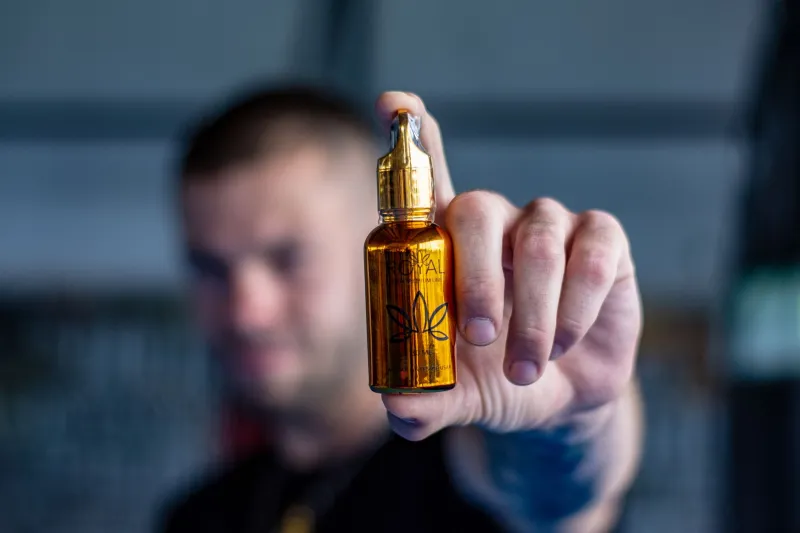
UK shoppers should approach CBD as they would any supplement: with attention to the label, the batch and the seller. A polished website is not a substitute for transparent information.
Check how much CBD is actually present. Look for milligrams of CBD per bottle and per serving, not just the total amount of hemp extract. A product described as 1000mg hemp extract may contain far less CBD than the number suggests. If the label does not make the CBD content clear, treat that as a warning sign.
Check whether the product appears on the Food Standards Agency's list of CBD products with valid novel food applications. This is not a guarantee of quality or efficacy, but it is a basic regulatory checkpoint for products sold in Great Britain. Also look for batch numbers, best-before dates and a certificate of analysis from a laboratory. The certificate should ideally show cannabinoid content and, where relevant, contaminants.
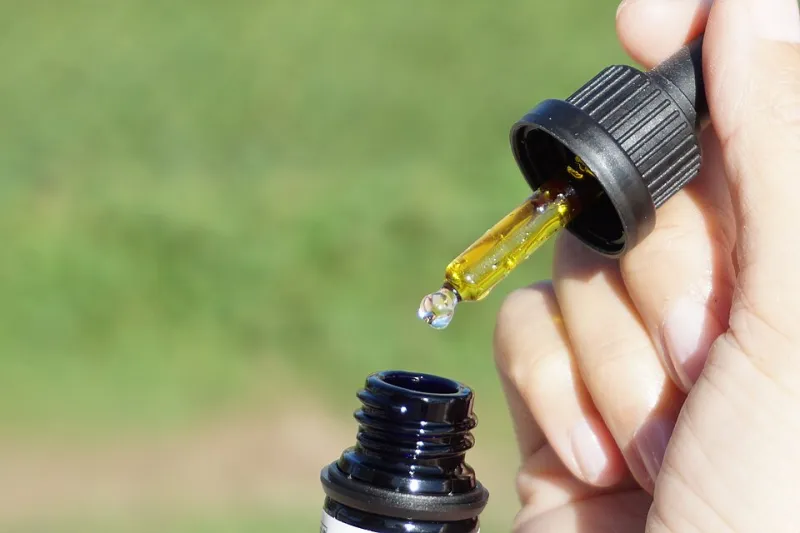
Consider the format. Oils usually use a carrier oil such as hemp seed or olive oil. Capsules offer fixed servings but may contain fillers. Topicals vary widely in CBD content and other ingredients. If you are sensitive to THC or other cannabinoids, look for clear information about the product's cannabinoid profile rather than assuming that all CBD products are interchangeable.
Dosage and a Sensible Trial
There is no single recommended dose of CBD for menopause symptoms, because CBD is not an authorised treatment for them. Products often suggest a starting amount, but these suggestions are not personalised medical advice. A cautious approach is to start lower than the marketing might encourage, keep a simple diary of what you take and when, and note any changes in sleep, mood or symptoms.
A diary helps for two reasons. It makes it easier to notice whether a product is doing anything useful, and it gives a GP or pharmacist something concrete to work with. Record the product name, batch number, CBD amount per serving, time of day and any other medicines or supplements you take.
Consistency matters more than escalation. Taking more CBD does not necessarily mean more benefit, and higher-strength products can be harder to adjust. If you decide to stop, there is no need to make dramatic changes; simply review your notes and discuss any concerns with a healthcare professional.
Bringing It Up With a GP or Pharmacist
CBD is not a replacement for proven menopause care, and it should not be treated as a private workaround for symptoms that deserve clinical attention. If you are considering it, say so plainly. A GP or pharmacist can help you think about interactions, existing medication and whether your symptoms need further investigation.
Be honest about everything you are taking, including CBD oils, capsules, topical products and any supplements bought online. Mention the amount of CBD, how often you use it and the batch number if you have it. This is particularly important if you take medicines with a narrow therapeutic window, such as some blood thinners, epilepsy medicines or immunosuppressants. CBD can affect how the body processes certain drugs, and the risk is not always obvious from the label.
Pregnancy, breastfeeding, planned surgery and liver conditions are also reasons to seek advice before using CBD. If you experience chest pain, severe mood changes, unusual bleeding or any symptom that worries you, do not wait to see whether CBD helps.
Marketing Claims to Treat With Caution
The calmest response to most CBD menopause marketing is a polite question: where is the evidence? Claims that a product balances hormones, cures hot flushes or replaces HRT should be treated sceptically. CBD is not a hormone therapy. It does not replace the need for cervical screening, breast awareness or routine NHS care.
Look instead for restrained language, clear labelling and a seller who is willing to say what is not known. A good product does not need to promise the menopause will disappear.
A Reasonable Bottom Line
CBD may be worth a cautious, time-limited trial for some people who want to explore additional support for sleep, calm or general comfort during midlife. It is not a proven menopause treatment, and it should not delay evidence-based care. Buy from transparent UK sellers, check the FSA list and batch information, start modestly, keep notes and talk to a GP or pharmacist if you take other medicines. That approach will not make CBD more powerful, but it will make your decision more grounded.