From Batch to Bottle: A 2026 UK Guide to Storing CBD Without Wasting It
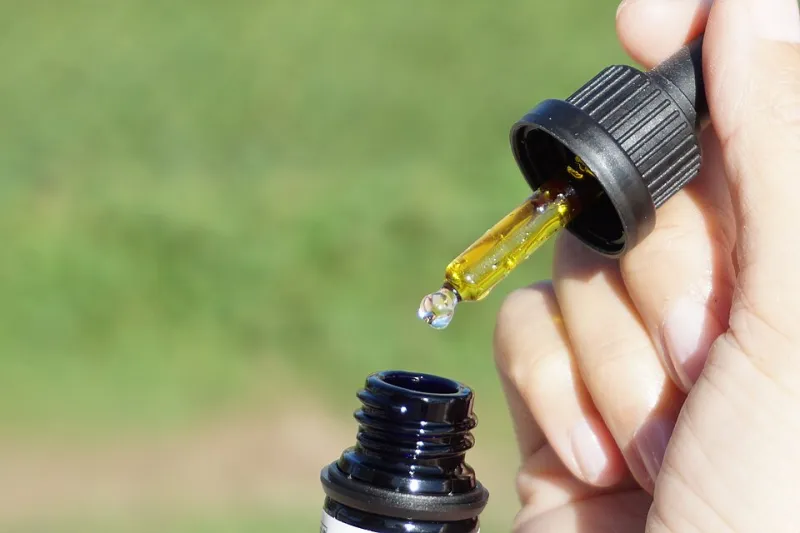
Photo: Elsa Olofsson, CC BY 2.0, via Wikimedia Commons
CBD is not a particularly fragile product, but it is not indestructible either. Oils can fade in flavour and potency, capsules can become sticky or clumped, and creams can separate or lose their texture. None of this is dramatic, and most products remain usable within their stated shelf life if stored sensibly. The problem is that storage advice is often vague, and UK homes are full of warm kitchens, steamy bathrooms and sunny windowsills.
This 2026 guide is a practical checklist rather than a laboratory manual. It is written for UK shoppers who want to get consistent value from a CBD purchase without turning their cupboard into a pharmacy. The principles are simple: limit light, heat, air and moisture, keep the original packaging, and pay attention to dates and batch codes.
Why Storage Matters More Than the Label Suggests
CBD products are sold as food supplements in the UK, not as medicines. That means shelf life and storage guidance can vary between producers. Some oils are dated 12 months from manufacture; others may suggest use within a certain period after opening. Capsules often carry a best-before date, while topicals may have a period-after-opening symbol.
These dates assume reasonable storage. If a bottle has spent months on a sunny windowsill or in a hot car, the printed date tells you less than you might think. Cannabinoids such as CBD can degrade over time, and carrier oils can oxidise. The result may be a product that is safe but less pleasant, or one whose stated potency no longer reflects what is in the bottle.
The Four Enemies: Light, Heat, Air and Moisture
Light, especially direct sunlight, can accelerate degradation. Heat speeds up chemical reactions, which is why a cool cupboard is usually better than a warm shelf. Air introduces oxygen, and repeated opening and closing of a bottle increases exposure. Moisture is particularly relevant in bathrooms and kitchens, where steam and humidity are common.
None of these factors needs to be eliminated entirely. A dark, dry cupboard away from the oven and radiator is usually sufficient for most products. The aim is to reduce cumulative exposure, not to create perfect conditions.
Oils: The Most Sensitive Format
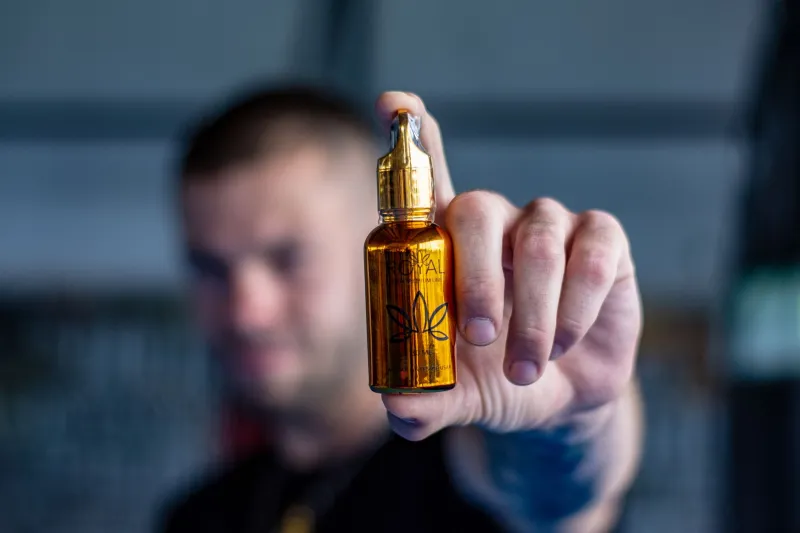
CBD oils are often packaged in amber or dark glass for a reason. The glass limits light exposure, and the dropper allows measured use. Keep the bottle upright, with the cap firmly closed, and store it in a cool, dark place. A kitchen cupboard away from the hob is generally better than a windowsill or a bathroom cabinet.
Refrigeration is sometimes suggested, but it is not automatically the best choice. Frequent temperature changes can cause condensation, and some oils become thick or cloudy when cold. If you do refrigerate an oil, allow it to reach room temperature before use and keep it consistently cold rather than moving it in and out.
Pay attention to the period after opening. If the label says to use the oil within a set number of months once opened, write that date on the bottle. A small label with the opening date is a simple habit that prevents guesswork.
Capsules: Simpler but Not Indestructible
Capsules are less exposed to air than oils, but they still need protection from heat and moisture. Keep them in the original container with the lid tightly closed. The silica gel sachet, if present, is there to absorb moisture; leave it in the bottle unless the label says otherwise.
Avoid storing capsules in the bathroom, where steam can cause them to soften or stick together. A cool, dry cupboard is usually ideal. If capsules become discoloured, smell unusual or are stuck together in a way that suggests moisture ingress, treat that as a sign of poor storage rather than a normal variation.
Topicals: Creams, Balms and Oils
Topicals are often kept in bathrooms or bedrooms, which is understandable but not always ideal. Creams and balms can be affected by heat and contamination. Use clean fingers or a small spatula, close the lid properly and avoid leaving the product open.
If a topical contains water, preservatives matter. Do not add water or mix products into the container. If the texture changes, the colour separates or the smell becomes rancid, stop using it. Oils and balms have different spoilage patterns from creams, but the principle is the same: appearance and smell are useful early warnings.
Reading Expiry and Batch Information in 2026
UK CBD labels should give you enough information to identify the product and its batch. Look for a best-before date, a batch or lot number, and clear storage instructions. Some products also carry a QR code or a link to a certificate of analysis. That certificate is not a storage instruction, but it can help you confirm what the batch was intended to contain.
A best-before date is not the same as a use-by date. For many food supplements, best-before refers to quality rather than safety. If a product is past its best-before date, the sensible course is to replace it rather than assume it will perform as it did when fresh. If you cannot find a date or batch number, contact the seller before using the product.
Check the FSA list for CBD products with valid novel food applications if you are buying a new brand. This does not tell you how to store the product, but it is a useful consumer safety checkpoint. Keep your receipt or order confirmation, especially if you buy online.
Signs a Product Has Degraded
Not every change means a product is unsafe, but some changes are clear reasons to stop. Oils may develop an unusual smell or become cloudy in a way that does not clear at room temperature. Capsules may stick together, discolour or develop a stale smell. Topicals may separate, develop mould or smell rancid.
If the product looks or smells wrong, do not rely on the label alone. Contact the seller with the batch number and a photograph if possible. If you have already used it and feel unwell, seek advice from a pharmacist or NHS 111 as appropriate. Keep the product and packaging in case you need to describe it.
Simple UK Storage Habits
Choose a cool, dark cupboard rather than a windowsill, bathroom shelf or the top of the fridge. Keep products in their original packaging so that batch and expiry information stays with them. Write the opening date on the label. Avoid decanting oils into unlabelled bottles. Keep CBD out of reach of children and pets, and store it separately from food if there is any risk of confusion.
When travelling, use a sealed bag and avoid leaving products in a hot car. If you carry a topical in a handbag, remember that repeated warmth and knocks can affect the container. For oils, a small travel bottle may be more practical than a large one, but only if it is properly labelled.
Getting Consistent Value From a Purchase
Storage is part of value. A large bottle that lasts a year but loses quality after six months is not necessarily better value than a smaller bottle used within its best period. Buy a size that matches your routine, rotate products rather than stockpiling them, and check dates before you buy.
Finally, treat storage as part of responsible use. A well-stored product is easier to assess, and a clear batch record makes it easier to raise concerns with a seller or healthcare professional. In 2026, the UK CBD market is more transparent than it once was, but the basics still matter: keep it cool, keep it dark, keep it labelled and keep it out of reach.