The Inner Forearm First: A UK Guide to CBD Balms, Patches and Sensitive Skin
CBD topicals occupy an unusual place on the UK shelf. A balm, cream or patch is applied to the skin, but it is often discussed as though it belongs beside oils and edibles. In practice, most topical CBD products are regulated as cosmetics, not as medicines. That distinction matters for how they are labelled, what they can claim and how a cautious shopper should approach them. For anyone with sensitive skin, the practical questions are simpler: what is in the product, how should it be tested, and when should use stop?
A different shelf, a different set of rules
CBD products intended to be swallowed sit within the novel food framework and, where medicinal claims are made, within medicines regulation. Topical products are generally treated differently. A cosmetic is intended to clean, perfume, change appearance, protect or keep the skin in good condition. It is not intended to treat or prevent disease. In the UK, cosmetic labelling and safety obligations sit under cosmetics legislation, with enforcement shared between local authority trading standards and the Office for Product Safety and Standards.
This does not mean topical CBD is unregulated. It means the language around it should be read carefully. A jar that describes itself as ‘soothing’ or ‘nourishing’ is using cosmetic-style language. A jar that implies it treats eczema, psoriasis or joint disease is moving into medical territory. For a shopper, the useful response is not alarm but scrutiny: look for clear ingredients, a UK responsible person, a batch number and sensible instructions. Treat dramatic medical-sounding claims as a reason to pause, not a reason to pay more.
The patch test, without drama
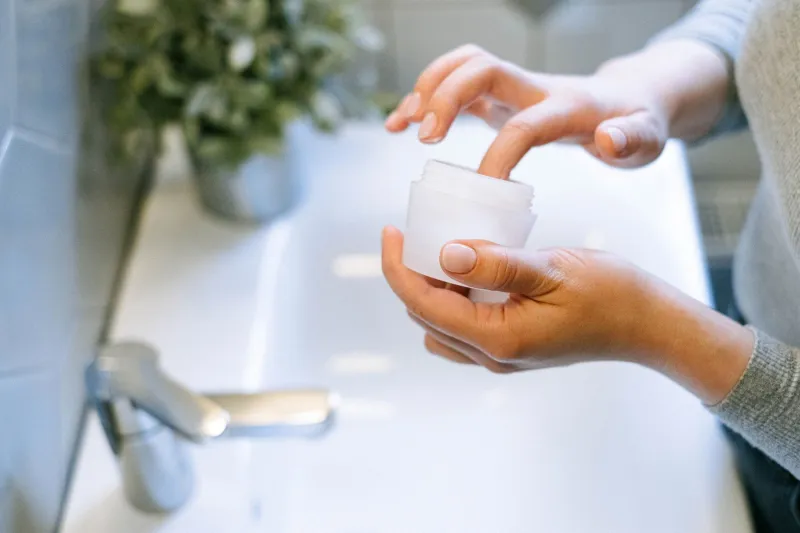
A patch test is not a guarantee, but it is a reasonable first step. Choose a small area of clean, dry skin on the inner forearm. Apply a small amount of the product and leave it for 48 hours, checking at intervals. For a leave-on cream or balm, a pea-sized amount is enough. For a patch, test the adhesive and the product separately if possible, because irritation can come from the backing as much as from the ingredients.
Do not test on broken, cracked or recently shaved skin. Do not test several new products at once. If redness, itching, stinging or swelling appears, remove the product with lukewarm water and do not reapply. Photograph the area and note the time. If there is no reaction, introduce the product gradually rather than layering it with other new creams, exfoliants or fragranced products. Sensitive skin often reacts to accumulation and repetition, not just to a single application.
What else is in the jar
Cannabidiol is rarely the only ingredient. Balms and creams often contain carrier oils, butters, waxes, emulsifiers, preservatives and fragrance. Patches bring adhesives, backing films and sometimes cooling agents. Common irritants include fragrance, essential oils, limonene, linalool, menthol, camphor, alcohol and some preservatives. ‘Natural’ does not mean hypoallergenic, and a high CBD number does not make the rest of the formula gentler.
Read the ingredient list rather than the front of the pack. If you know you react to a fragrance mix or to a particular preservative, check for it. If the label is vague, incomplete or hides behind a proprietary blend, that is useful information. A product that cannot tell you what is in it is not a product to test on reactive skin.
Reading the label like a shopper, not a patient
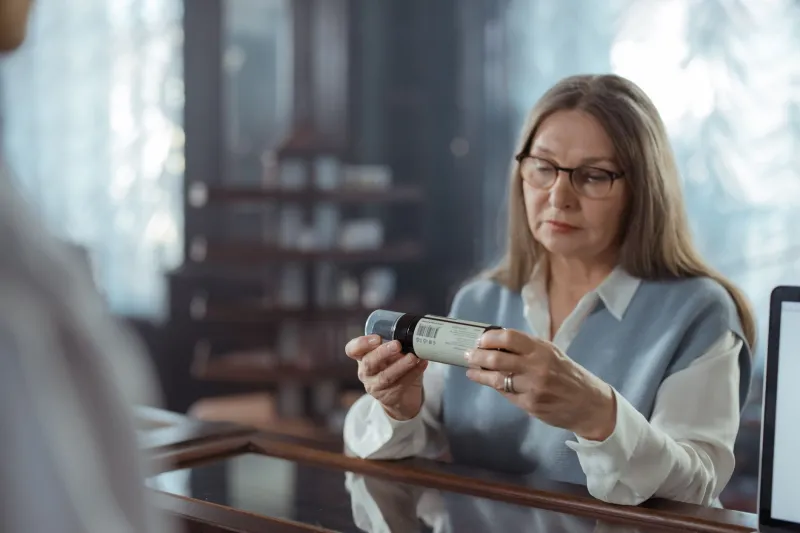
Cosmetic labels in the UK should include an ingredient list, a batch identifier, the name and address of the responsible person, and instructions for use where needed. A period-after-opening symbol tells you how long the product is safe to use once opened. CBD content may be stated in milligrams, but it is not a measure of how the product will feel on your skin.
Be wary of phrases such as ‘medical grade’, ‘clinical strength’ or ‘doctor formulated’ when they appear without explanation. They are marketing signals, not regulatory categories. The same applies to reviews that describe a product as a treatment. A calm buyer reads the label for facts: what the product is, who stands behind it, how to use it and what to do if something goes wrong.
When to pause and ask for advice
Stop using a topical CBD product if you develop redness, swelling, blistering, a persistent itch or a burning sensation. Wash the area gently with lukewarm water and avoid scrubbing. A pharmacist can advise on mild skin reactions and over-the-counter options. Speak to a GP if the reaction is severe, spreads, affects the face or eyes, or does not settle. Seek urgent help if there is swelling of the lips or throat, difficulty breathing or widespread hives.
Do not apply CBD topicals to broken skin, open wounds, the eyes or mucous membranes. If a patch leaves a red outline, the adhesive may be the culprit; do not assume the CBD itself is the problem. Keep the product and note the batch number. If you believe a cosmetic has caused a serious safety issue, trading standards or the Office for Product Safety and Standards can advise on reporting.
A measured routine for reactive skin
The sensible approach is unglamorous: one product, one area, a 48-hour patch test, a small amount and a note of what happened. Use it on alternate days at first. Keep a simple diary of the product, batch, site and any reaction. Do not mix it with acids, retinoids or fragranced body creams on the same area. If your skin is already inflamed, wait until it has settled before testing anything new.
Topical CBD is not a shortcut around sensitive skin. It is a product category with its own labelling rules, its own irritant possibilities and its own limits. The inner forearm first, the label second and the pharmacist when needed remain a calm and practical order of events.